The Visual Language of Learning: Decoding the Icons of Graduation and Science
In the vast landscape of visual communication, few symbols are as universally recognized or emotionally resonant as those associated with education. From the moment a child picks up their first pencil to the final toss of a graduation cap into the air, these objects tell a story of growth, achievement, and discovery. When we discuss digital assets like an "Education Graduation Cap Book Pencil" collection, including specific formats such as 2 EPS files and 2 JPG files, we are not merely talking about graphic design resources. We are exploring the fundamental vocabulary that allows society to represent the journey of learning in both print and digital media.
This article delves into the significance of these classic educational symbols, the technical importance of file formats in modern design, and how black and white aesthetics continue to define the cinematic feel of academic storytelling.
The Core Symbols of Academic Achievement
To understand the power of educational imagery, one must first appreciate the individual elements that make up this visual language. Each icon carries a distinct weight and meaning, contributing to a broader narrative about school, university, and science.
The Graduation Cap: The Culmination of Effort
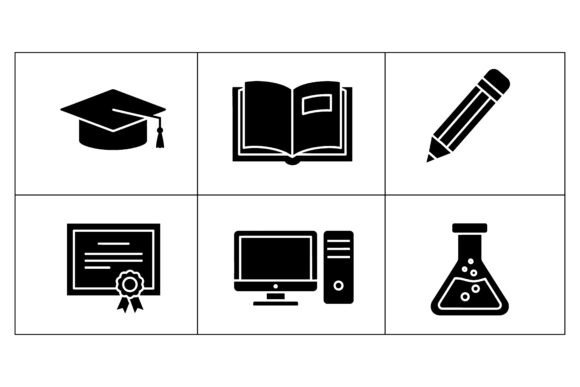
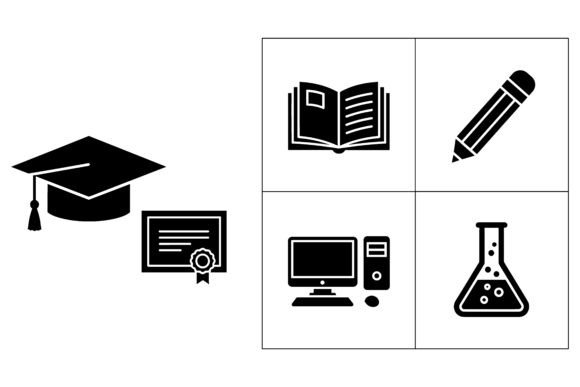
The mortarboard, or graduation cap, is perhaps the most iconic symbol of academic success. It represents the completion of a rigorous journey. In visual design, the cap often serves as the anchor for compositions related to commencement, diplomas, and future aspirations. Whether depicted in a realistic style or a simplified silhouette, it immediately signals transition and celebration. It is the visual shorthand for "I have arrived."
The Book and Pencil: Tools of Discovery
If the cap represents the end of a chapter, the book and pencil represent the writing of it. The book is a timeless vessel of knowledge, symbolizing research, history, and literature. The pencil, on the other hand, embodies the active process of learning—writing, drawing, solving, and creating. Together, they form the foundation of the classroom experience. In a black and white context, the contrast between the lines of a book and the sharp point of a pencil creates a dynamic visual tension that suggests movement and intellectual energy.
The Beaker and Computer: Bridging Tradition and Technology
Modern education extends far beyond the humanities. The inclusion of a beaker introduces the element of science, experimentation, and the scientific method. It reminds us that learning involves testing hypotheses and observing results. Conversely, the computer represents the digital age of education. It signifies remote learning, coding, data analysis, and the global connectivity of information. When a design collection includes both the beaker and the computer alongside traditional books, it acknowledges the holistic nature of modern curricula, blending empirical science with technological fluency.
The Certificate: A Tangible Token of Success
The certificate acts as the bridge between the effort (the book and pencil) and the recognition (the graduation cap). Visually, certificates are often associated with parchment textures, seals, and formal typography. In graphic design, representing a certificate requires attention to detail; it must look official and prestigious. When paired with other educational icons, the certificate grounds the image in reality, reminding viewers that these symbols represent real-world achievements and credentials that open doors to careers and further study.
Technical Foundations: Understanding EPS and JPG Files
For designers, educators, and content creators, the quality and versatility of these images depend heavily on their file formats. A typical resource pack might include 2 EPS files and 2 JPG files. Understanding the difference between these formats is crucial for effective application.
- EPS (Encapsulated PostScript): These are vector-based files. They are resolution-independent, meaning you can scale them from the size of a business card to a massive billboard without losing any clarity. This makes EPS files ideal for logos, large banners, and professional printing where crisp lines are essential. If you need to resize a graduation cap icon for a university brochure, the EPS version ensures the edges remain sharp.
- JPG (Joint Photographic Experts Group): These are raster-based files composed of pixels. They are excellent for web use, social media posts, and presentations where file size matters more than infinite scalability. While they may lose quality if stretched too large, JPGs are universally compatible and load quickly on screens.
Having both formats available gives a designer the flexibility to adapt educational imagery for any medium. It ensures that whether the image is used for a high-resolution printed diploma cover or a quick thumbnail on a blog post, the visual integrity remains intact.
The Power of Black and White Aesthetics
While color is vibrant and engaging, there is a unique authority in black and white imagery. In the context of education, monochromatic designs often convey a sense of timelessness, seriousness, and classic elegance. Stripping away color forces the viewer to focus on the shapes, patterns, and composition of the symbols themselves.
This style is particularly effective for:
- Formal Documents: Diplomas, transcripts, and official letters often rely on grayscale to maintain a professional tone.
- High Contrast Graphics: Black ink on white paper offers the highest readability, making it perfect for textbooks and instructional materials.
- Cinematic Storytelling: In motion graphics and video, black and white footage can evoke a documentary feel, highlighting the historical significance of education or the raw emotion of a student's journey.
Furthermore, black and white icons are incredibly versatile. They can easily be colored later to match a specific brand's palette, or they can stand alone as bold, graphic statements. The absence of color does not mean a lack of creativity; rather, it emphasizes the structural beauty of the symbols.
Common Misunderstandings About Educational Imagery
A common assumption is that educational graphics must always be colorful and cartoonish to appeal to students. However, this overlooks the sophistication required for higher education and professional development. University branding, for instance, often utilizes stark, minimalist black and white designs to project prestige and academic rigor. Similarly, assuming that a "pencil" icon only relates to elementary school ignores its role in engineering sketches, architectural plans, and creative writing at all levels.
Another misconception is that digital assets are static. In reality, when these symbols are animated—adding motion and movement to a pencil writing or a cap floating—they become powerful tools for engagement. A computer screen lighting up or a beaker bubbling in a video can capture attention far more effectively than a still image.
Practical Relevance in Modern Life and Business
These symbols are not just decorative; they serve critical functions in our daily lives and professional environments. In the business world, companies offering tutoring services, online courses, or educational technology rely on these visuals to communicate their value proposition instantly. A logo featuring a graduation cap and a computer immediately tells a potential client that the service bridges traditional learning with modern tech.
For schools and universities, consistent use of these symbols builds brand identity. When a student sees the same book, pencil, and cap motif across their website, letterhead, and campus signage, it reinforces a sense of belonging and community. In the realm of creative media, these icons are the building blocks of infographics that explain complex educational statistics or timelines of academic history.
Integrating Symbols into Creative Workflows
Whether you are a teacher creating a lesson plan, a marketer designing a campaign for a scholarship program, or a developer building an e-learning platform, the strategic use of these icons enhances user experience. They act as visual cues that guide the audience through content. For example, using a beaker icon to denote a "Science Lab" section of a website helps users navigate intuitively. Using a certificate icon next to a "Download Transcript" button provides immediate clarity on the action's outcome.
Conclusion: The Enduring Legacy of Educational Icons
The combination of a graduation cap, book, pencil, certificate, computer, and beaker forms a comprehensive visual ecosystem of learning. These symbols transcend language barriers and cultural differences, speaking a universal truth about the human desire to know and achieve. By understanding the nuances of these icons—from their symbolic meanings to the technical specifications of EPS and JPG files—we gain a deeper appreciation for the art of educational design.
As we move forward into an increasingly digital and fast-paced world, the need for clear, impactful, and meaningful visual communication has never been greater. Whether rendered in stark black and white or brought to life with cinematic motion, these symbols will continue to inspire students, educators, and lifelong learners everywhere. They remind us that while the tools of education may evolve from quill pens to computers, the spirit of discovery remains unchanged.
By leveraging these visual assets effectively, we can create media that not only informs but also inspires, capturing the essence of the academic journey in every stroke and pixel.