Graduation Cap Diploma Earring Laser Cut: A Practical Guide for Creators
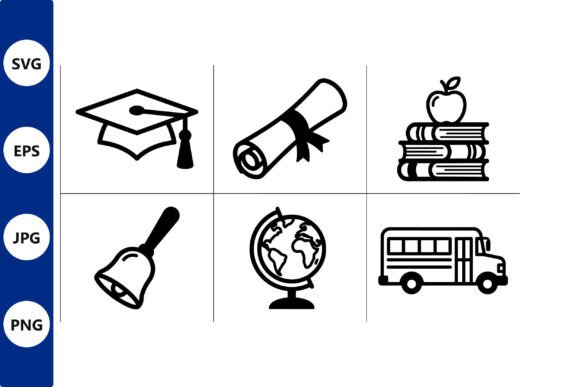
The Graduation Cap Diploma Earring Laser Cut design represents more than a simple graphic; it is a functional asset within the jewelry creation workflow. For professionals and hobbyists alike, this specific vector pattern bridges the gap between digital planning and physical manufacturing. By pairing the iconic mortarboard with a rolled diploma, the design captures the essence of academic achievement in a composition that is both clean and immediately recognizable. Understanding how to integrate this design into a production pipeline allows creators to maximize efficiency, ensure quality control, and deliver meaningful products to a market consistently seeking graduation-themed accessories.
Design Composition and Workflow Integration
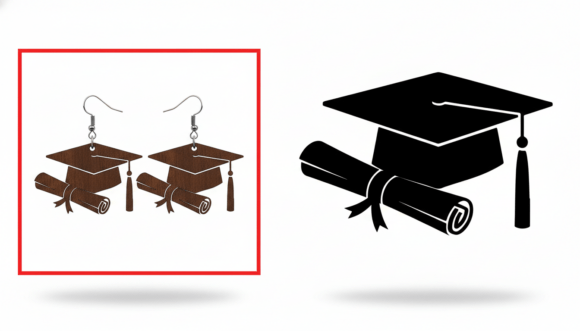
Before initiating any cutting process, it is essential to analyze the design's structural integrity. The Graduation Cap Diploma Earring Laser Cut features a balanced arrangement where the cap sits adjacent to or atop the scroll, creating a silhouette that remains distinct even at small scales. This clarity is critical for laser cutting, as intricate details can sometimes be lost during the burning process, especially on materials like wood or leather. The design's simplicity ensures that the kerf—the width of material removed by the laser—does not compromise the final shape.
In a broader creative workflow, this design serves as a foundational element for product development. When planning a seasonal collection, such as items for May or June graduation ceremonies, creators can utilize this vector file to prototype multiple variations quickly. The ability to scale the design without losing resolution allows for experimentation with different earring backings, pendant bails, or charm sizes. This flexibility supports a decision-making process where aesthetic choices are tested against manufacturing constraints before committing to bulk material purchases.
Material Compatibility and Preparation
One of the primary advantages of the Graduation Cap Diploma Earring Laser Cut is its versatility across various substrates. However, successful implementation requires careful preparation tailored to the chosen material.
- Wood: Materials like birch plywood or basswood offer a warm, natural aesthetic. When using wood, the laser's heat may cause charring along the edges. Creators should adjust power and speed settings to minimize burn marks, ensuring the fine lines of the diploma scroll remain crisp.
- Acrylic: Cast acrylic provides a polished, professional finish ideal for modern jewelry. The laser edge-polishes the cut, creating a smooth surface that often requires no additional sanding. This material choice streamlines the post-processing phase of the workflow.
- Leather: For a rustic or vintage look, vegetable-tanned leather works well. The laser engraves the texture while cutting the shape. It is crucial to secure the leather firmly to prevent shifting, which could distort the delicate details of the graduation cap.
- Metal: While less common for standard home lasers, metal sheets compatible with high-power fiber lasers can produce durable, premium pieces. This option expands the potential price point and longevity of the final product.
Selecting the right material early in the planning stage influences tool settings, safety protocols, and finishing techniques. By aligning the material choice with the intended brand identity, creators ensure consistency across their product line.
File Formats and Technical Execution
Efficiency in the production process relies heavily on the availability of compatible file formats. The Graduation Cap Diploma Earring Laser Cut package typically includes DXF, EPS, SVG, and PDF files, each serving a specific function within the technical workflow.
Optimizing File Usage
The DXF File is the industry standard for industrial laser cutting machines. Its precision makes it ideal for large-scale production where tolerances must be exact. Professionals managing high-volume orders should prioritize this format to ensure seamless communication between design software and the cutting hardware.
The EPS File offers high-quality scalability, making it perfect for designers who need to manipulate the vector paths in Adobe Illustrator or CorelDRAW. This format allows for customization, such as adding text, changing colors, or combining the graduation motif with other elements for unique pendants or charms.
For users operating consumer-grade devices like Cricut or Glowforge, the SVG File is indispensable. These platforms rely on scalable vector graphics to interpret shapes accurately. Using the SVG version eliminates the need for complex conversion processes, reducing the time spent on pre-production setup and allowing creators to move faster from concept to cut.
The PDF File serves as a printable reference. Before running a costly material through the machine, printing the PDF allows creators to visualize the size and proportions physically. This step acts as a quality control checkpoint, helping to identify any scaling issues before they result in wasted resources.
Strategic Implementation for Business Growth
Integrating the Graduation Cap Diploma Earring Laser Cut into a business strategy involves more than just cutting shapes; it requires aligning production with market demand. Graduation season is a predictable peak period, but effective planning extends beyond these months. By developing this design early, businesses can build inventory ahead of time, avoiding the rush that often leads to compromised quality or missed shipping deadlines.
Product Diversification
This design is not limited to earrings. Its modular nature allows for diversification across a product catalog. Creators can adapt the same vector file to create keychains, zipper pulls, brooches, or necklace pendants. This approach maximizes the return on investment for the design asset itself. Instead of purchasing new designs for every product category, a single Graduation Cap Diploma Earring Laser Cut file can generate a cohesive collection, reinforcing brand recognition.
Furthermore, the design facilitates cross-promotion. A handmade shop selling graduation earrings can bundle them with matching diplomas or caps made from different materials, offering customers a complete gift set. This bundling strategy increases average order value and simplifies the customer's purchasing decision.
Quality Control and Post-Processing
Once the cutting phase is complete, the focus shifts to finishing. The quality of the final product depends on rigorous attention to detail during post-processing. For wood and leather, light sanding may be necessary to remove minor burrs or soot. Acrylic pieces might require a quick wipe-down to eliminate residue. Metal components often need tumbling or polishing to achieve a mirror finish.
Implementing a standardized quality control checklist ensures that every piece meets the brand's standards. This checklist should verify edge smoothness, dimensional accuracy, and the integrity of the design details. Consistent quality builds trust with customers and reduces the likelihood of returns or negative reviews. In the competitive marketplace of handmade goods, reliability is a significant differentiator.
Long-Term Value and Adaptability
The enduring appeal of the Graduation Cap Diploma Earring Laser Cut lies in its timeless symbolism. Unlike trend-driven designs that fade quickly, academic milestones remain culturally relevant year after year. Investing in this design provides long-term value for creators, as the file can be reused annually with minimal adjustments.
Adaptability is another key factor. As technology evolves and new materials become available, this vector design remains compatible. Whether transitioning from a desktop cutter to an industrial system or experimenting with biodegradable materials, the core geometry of the design holds up. This future-proofing aspect makes it a smart addition to any creator's digital library.
Ultimately, the successful use of the Graduation Cap Diploma Earring Laser Cut depends on a holistic approach that considers design, material science, technical execution, and market strategy. By treating the design file as a strategic asset rather than a one-off graphic, creators can streamline their workflows, enhance product quality, and effectively meet the needs of their audience during one of life's most celebrated transitions.