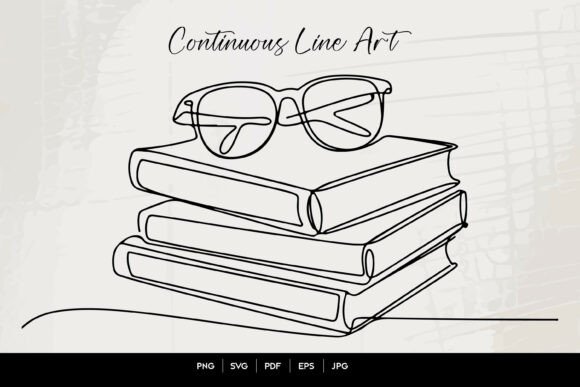
Books and Glasses Line Art: Simple Illustrations with Practical Uses
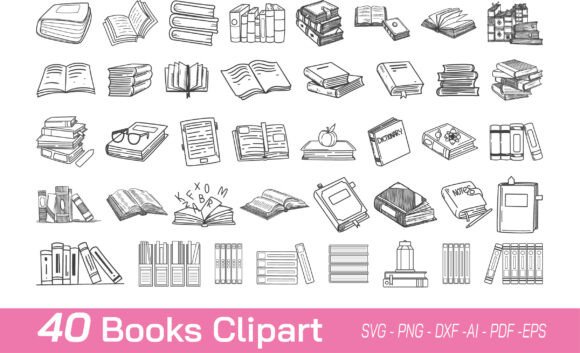
Books and glasses line art is a minimalist design style that visually connects reading, learning, and intellectual focus. These clean, contour-based illustrations typically feature stacks of books paired with eyeglasses, drawn in monochrome or simple outlines. They're often offered in multiple formats like PNG, SVG, EPS, PDF, and JPG, making them versatile for both digital and print use. Whether you're a student, educator, designer, or small business owner, this type of artwork can serve both aesthetic and functional purposes.
Why People Use Books and Glasses Line Art
The appeal of this art style lies in its simplicity and symbolic meaning. Books represent knowledge, education, and personal growth, while glasses suggest focus, clarity, and attention to detail. Together, they create a powerful visual metaphor for learning and intellectual engagement. People use these illustrations in various ways, from decorating personal spaces to enhancing educational materials and branding assets.
For Personal and Home Use
Many individuals incorporate books and glasses line art into their home decor. It works well in home offices, study rooms, or living areas where a subtle nod to learning and creativity is appreciated. Since the designs are minimalist and often monochrome, they blend easily with modern, Scandinavian, or academic-themed interiors.
- Print them as wall art to inspire reading and study habits
- Use them in personal journals or planners to symbolize growth and focus
- Frame them in a home workspace to visually reinforce productivity and learning
In Education and Learning Environments
Teachers, librarians, and educational institutions often use these illustrations to create a welcoming, intellectual atmosphere. They can be used in posters, handouts, or classroom decorations to encourage reading and critical thinking.
For example, a school library might print books and glasses line art on bookmarks or signage to promote literacy. A university might feature these designs in orientation materials or student resource guides to symbolize academic focus and intellectual curiosity.
How Designers and Creators Benefit
Graphic designers, illustrators, and content creators find books and glasses line art useful for a variety of digital and print projects. Because they come in vector formats like SVG and EPS, they can be scaled without losing quality, making them ideal for logos, website graphics, and branding elements.
- Create clean, modern book covers or author branding materials
- Design minimalist infographics or presentation slides for educational content
- Incorporate into blog headers or social media templates for writers, educators, or book reviewers
Freelancers and small business owners can also use these illustrations in marketing materials. A tutoring service, for instance, could use books and glasses line art in its logo or flyers to instantly communicate its focus on learning and academic support.
For Digital and Online Platforms
These illustrations work well in online learning platforms, blogs, and digital courses. Because they're clean and easy to read, they help guide visual attention without overwhelming the layout. They’re especially useful in:
- Course landing pages to symbolize knowledge and study
- eBooks and digital reports to reinforce themes of learning and focus
- Website icons or buttons related to reading, research, or academic tools
Bloggers and content creators can also use these illustrations to enhance posts about productivity, reading habits, or personal development. They add visual interest without distracting from the message, and their minimalist style aligns well with modern web design trends.
Choosing the Right Format and Use
Books and glasses line art are available in multiple file types, each with its own strengths. PNG files are great for quick digital use, especially on websites and social media. SVG files are scalable and ideal for logos or illustrations that need resizing without quality loss. EPS and PDF formats are best for print projects like posters, brochures, or merchandise. JPG files offer a balance between quality and file size, making them suitable for general use.
Before downloading or purchasing, consider your end goal. Will you be printing the design? Do you need it to scale for different sizes? Are you using it on a website or in a presentation? Choosing the right format ensures the illustration serves its intended purpose effectively.
Matching Style to Purpose
While books and glasses line art is generally minimalist, there are variations in line weight, composition, and detail. Some designs feature a neat stack of textbooks with a pair of rectangular glasses, perfect for academic or professional settings. Others might include a cozy book pile and round glasses, better suited for lifestyle or personal branding.
It's important to match the style of the illustration to your intended use. A formal university website might benefit from a crisp, symmetrical design, while a personal blog about reading could use a more relaxed, hand-drawn look. This small detail can significantly impact how your message is received.
Practical Tips for Using Books and Glasses Line Art
Here are a few real-world tips to get the most out of this type of artwork:
- Combine with typography: Pair the illustration with a short quote about learning or focus for a powerful visual message.
- Use in layered designs: Add subtle textures or background colors to give depth without losing the minimalist feel.
- Test across platforms: Make sure the illustration looks good on both digital and print mediums by previewing it in different contexts.
Whether you're designing a book-themed poster, creating a visual for a study app, or simply decorating your workspace, books and glasses line art offers a clean, meaningful way to visually express the value of learning and intellectual growth.